Divorce Laws

Divorce Laws

Blogs
Divorce Laws and Recent Judgments in India Every Spouse Should Know Divorce in India is a legal process that ends a marriage while addressing the rights, responsibilities, and financial obligations of both spouses. With evolving laws and recent judgments, it is essential for couples to understand divorce procedures, grounds, settlements, and custody rights. This article provides a detailed guide for spouses navigating the legal landscape of divorce in India. 1. Understanding Divorce Laws in India Divorce laws in India differ based on religion and personal laws: Hindu Marriage Act, 1955 – Governs Hindus, Buddhists, Jains, and Sikhs. Covers grounds like cruelty, desertion, adultery, and mental illness. Special Marriage Act, 1954 – Applies to interfaith or civil marriages; similar grounds as Hindu Marriage Act. Muslim Personal Law (Shariat) – Divorce can…

Read More
New Criminal Laws 2023–24 Implementation in India: A Comprehensive Legal Analysis

New Criminal Laws 2023–24 Implementation in India: A Comprehensive Legal Analysis

Blogs
The New Criminal Laws 2023–24 Implementation marks one of the most significant structural reforms in India’s criminal justice system since independence. The transition replaces long-standing colonial-era statutes with a modern legislative framework designed to address contemporary crimes, technological advancements, and procedural inefficiencies. The three newly implemented criminal statutes are: Bharatiya Nyaya Sanhita Bharatiya Nagarik Suraksha Sanhita Bharatiya Sakshya Adhiniyam These laws replace the Indian Penal Code, the Code of Criminal Procedure, and the Indian Evidence Act, respectively. Their implementation introduces substantial changes in substantive offences, procedural safeguards, evidentiary standards, and investigative mechanisms. This article provides a detailed and professional analysis of the New Criminal Laws 2023–24 Implementation, highlighting the key changes, legal implications, and practical impact on stakeholders. Legislative Intent Behind the Reform The primary objective of the New Criminal…
Read More
Bail in Delhi: Expert Legal Guide to Securing Quick and Lawful Release

Bail in Delhi: Expert Legal Guide to Securing Quick and Lawful Release

Blogs
Facing arrest or having a loved one in custody can be overwhelming. Understanding the bail process in Delhi is crucial for protecting personal liberty and ensuring a lawful release. Bail is a fundamental right in many cases under Indian criminal law, but the procedure, strategy, and documentation must be handled carefully. This expert guide explains the bail system in Delhi courts, eligibility, procedure, and practical tips to improve approval chances—following strong EEAT principles (Experience, Expertise, Authoritativeness, Trustworthiness). What is Bail? Bail is the legal mechanism that allows an accused person to be released from custody while ensuring their presence during investigation or trial. Instead of remaining in jail, the accused provides a bail bond or surety guaranteeing compliance with court conditions. In India, bail provisions primarily fall under the Code…
Read More
Domestic Violence Law in India: Complete Legal Guide for Victims and Families

Domestic Violence Law in India: Complete Legal Guide for Victims and Families

Blogs
Domestic violence is a serious issue that affects thousands of families across India. It includes physical, emotional, verbal, sexual, and economic abuse within a household. Indian law provides strong protection to victims and strict punishment for offenders. Understanding domestic violence law helps victims protect themselves legally and seek justice without fear. This guide explains domestic violence law in India in simple terms based on real legal experience. What is Domestic Violence? Domestic violence means any abusive behavior by a family member against another member in a domestic relationship. It is not limited to physical violence. Under the Protection of Women from Domestic Violence Act, 2005, domestic violence includes: • Physical abuse • Emotional or verbal abuse • Sexual abuse • Economic abuse • Threats or harassment • Dowry-related harassment Domestic…
Read More
Anticipatory Bail Law: Safeguarding Your Rights Before Arrest

Anticipatory Bail Law: Safeguarding Your Rights Before Arrest

Blogs
In today’s fast-paced legal environment anticipating legal challenges can save individuals from unnecessary hardships. Anticipatory bail is a crucial legal remedy designed to protect individuals from the trauma of arrest in situations where accusations may be made in the future. For lawyers understanding the nuances of anticipatory bail is essential as it allows them to effectively defend clients and uphold justice. What is Anticipatory Bail? Anticipatory bail is a pre-arrest legal protection provided under Section 438 of the Criminal Procedure Code (CrPC) 1973 in India. It allows a person to seek bail in anticipation of arrest for a non-bailable offense. Essentially it prevents unnecessary detention and safeguards individual liberty even before formal charges are filed. Unlike regular bail which is granted post-arrest anticipatory bail ensures that a person can avoid the emotional and social…
Read More
India’s Three-Hour AI Content Takedown Rule: Legal Impact on Digital Platforms and Businesses

India’s Three-Hour AI Content Takedown Rule: Legal Impact on Digital Platforms and Businesses

Blogs
The rapid evolution of Artificial Intelligence has transformed digital communication, enabling automated content creation, synthetic media production, and AI-assisted public engagement. However, the same technology has also facilitated the spread of deepfakes, impersonation, misinformation, and digitally manipulated narratives. Recognising these risks, the Government of India has introduced a stricter compliance mandate under the Information Technology regulatory framework. Significant social media intermediaries are now required to remove flagged unlawful AI-generated content within three hours of receiving valid notice from the competent authority. This regulatory development marks a significant tightening of intermediary liability standards and signals a stronger approach toward digital accountability. Legal Framework Governing Intermediaries in India Digital platforms operating in India are governed by the Information Technology Act, 2000, along with the Intermediary Guidelines and Digital Media Ethics Code Rules.…
Read More
Data Protection and Cyber Law in India: Navigating Legal Challenges in the Digital Age

Data Protection and Cyber Law in India: Navigating Legal Challenges in the Digital Age

Blogs
India is rapidly advancing as a digitally-driven nation. Daily activities such as online banking, e-commerce, remote work, and cloud computing have become integral to modern life. While this transformation offers convenience and efficiency, it also brings challenges related to data privacy, cybercrime, and legal compliance. Consequently, Data Protection and Cyber Law have emerged as essential areas of legal relevance for both individuals and businesses. Cyber law now plays a key role in regulating digital conduct, protecting personal information, and ensuring accountability in online transactions. The Significance of Data in the Modern Era In today’s digital economy, data is one of the most valuable assets. Personal information, financial records, business-sensitive data, and intellectual property are constantly collected, stored, and processed online. Organizations rely on this data to enhance services, target consumers,…
Read More
Cheque Bounce Cases Under Section 138 of the NI Act: Complete Legal Guide

Cheque Bounce Cases Under Section 138 of the NI Act: Complete Legal Guide

Blogs
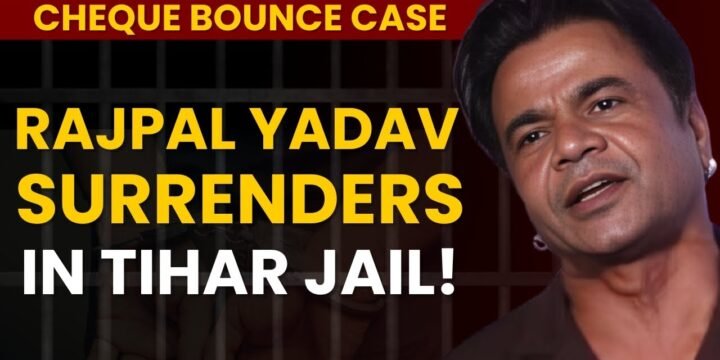
Cheque bounce cases have become one of the most common financial disputes in India, affecting both individuals and businesses. Governed by Section 138 of the Negotiable Instruments Act, 1881 (NI Act), dishonoured cheques are treated as a criminal offence, attracting fines and imprisonment. Recently, the Rajpal Yadav cheque bounce case has drawn nationwide attention, highlighting how strictly courts enforce Section 138. The case underscores the importance of understanding timelines, legal procedures, and the serious consequences of default. The Delhi Legal offers expert legal services in handling cheque bounce cases, ensuring clients navigate these matters efficiently while protecting their financial and legal interests. Understanding Cheque Bounce Cases A cheque bounce occurs when a cheque issued to repay a debt is dishonoured by the bank. Section 138 converts this civil default into…
Read More

Updated Alimony Rules in India After Supreme Court’s 2025 Judgment

Blogs
Updated Alimony Rules in India After Supreme Court’s 2025 Judgment Alimony (maintenance) is also a point often passionately debated in a marriage. For many families, besides being a financial issue in itself, how much and what kind of alimony is awarded affects their dignity. Also, the chances for survival and security in separation or divorce years down the road. Until recently, decisions on alimony were often attacked for inconsistency. Sometimes, courts would give maintenance when there was not enough financial disclosure. In others, deserving claimants suffered from delayed procedures and delays in justice. Also, different laws (Hindu Marriage Act, CrPC, Domestic Violence Act, Special Marriage Act, etc) make it unclear exactly how many means one should use, how long half-lasting maintenance owes to a woman. In 2025, the Supreme Court…
Read More

Top 5 Criminal & Bail Judgments Every Indian Lawyer Should Read in 2025

Blogs
Top 5 Criminal & Bail Judgments Every Indian Lawyer Should Read in 2025 Indian courtrooms are the place that has moved more quickly than all others during the past two years in the bail process. Over time, trial courts, High Courts and the Supreme Court have continued to regard bail. This is not a mere procedural afterthought but rather the true constitutional battlefield. This article will discuss the 5 bail and criminal judgments you must read. This changed the entire legal process, and everyone needs to read these.  1) Mihir Rajesh Shah v. State of Maharashtra (2025) One of the top 2025 themes is arrest. This has to follow the procedure rather than just suspicion. With Mihir Rajesh Shah, the Supreme Court went on to deal with the question of…
Read More