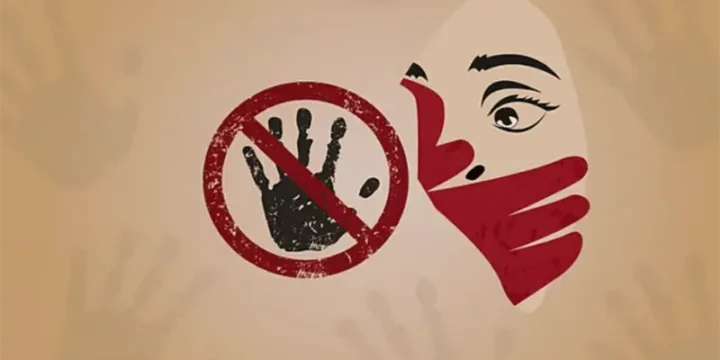
Rape: Legal Understanding, Social Impact, and the Need for Justice

Rape: Legal Understanding, Social Impact, and the Need for Justice

Blogs
  Rape is one of the most serious and heinous crimes against an individual’s dignity, autonomy, and bodily integrity. It is not merely a physical act of violence but also a deep violation of trust, consent, and human rights. In legal, social, and moral terms, rape is recognized as a grave offense that demands strict punishment, sensitive handling, and strong preventive measures. Meaning and Legal Definition In India, rape is defined under Section 375 of the Indian Penal Code (IPC). It refers to a situation where a man engages in sexual intercourse with a woman without her consent, against her will, or by coercion, fraud, or intimidation. Consent plays a central role in determining whether an act constitutes rape. Consent must be clear, voluntary, and informed—silence or lack of resistance…
Read More

Updated Alimony Rules in India After Supreme Court’s 2025 Judgment

Blogs
Updated Alimony Rules in India After Supreme Court’s 2025 Judgment Alimony (maintenance) is also a point often passionately debated in a marriage. For many families, besides being a financial issue in itself, how much and what kind of alimony is awarded affects their dignity. Also, the chances for survival and security in separation or divorce years down the road. Until recently, decisions on alimony were often attacked for inconsistency. Sometimes, courts would give maintenance when there was not enough financial disclosure. In others, deserving claimants suffered from delayed procedures and delays in justice. Also, different laws (Hindu Marriage Act, CrPC, Domestic Violence Act, Special Marriage Act, etc) make it unclear exactly how many means one should use, how long half-lasting maintenance owes to a woman. In 2025, the Supreme Court…
Read More

Supreme Court Ends 22-Year Divorce Fight: Irretrievable Breakdown and Article 142 Power

Blogs
Supreme Court Ends 22-Year Divorce Fight: Irretrievable Breakdown and Article 142 Power Some twenty years after it was filed in 1980, and after heartbreaking trials of anxiety over the legal outcome. The recent decision by the Supreme Court in India has finally brought resolution to a protracted 22-year-old matrimonial quarrel with a pronouncement. After continuous anger over divorce, because the marriage had completely broken down hopelessly.  At the same time, its conclusion once again reflected the Supreme Court's extraordinary powers of intervention under Article 142 of the Constitution. It has a mix of shell-like frames of governmental practice when necessary in order to give complete justice. It did more than ruin one marriage. India's highest court, however, is also faced with fundamental cases and involved decisions. It was given that…
Read More
POCSO Act Decoded: Rights, Remedies & Legal Protection

POCSO Act Decoded: Rights, Remedies & Legal Protection

Blogs
The safety of children is the foundation of a just society. Yet, in today’s rapidly changing world, children are increasingly exposed to various forms of exploitation, abuse, and harm. To address these threats and provide a strong, specialized legal framework, India enacted the Protection of Children from Sexual Offences (POCSO) Act, 2012—a law designed to ensure swift justice, sensitivity, and comprehensive protection for minors. This article breaks down the POCSO Act in a simple and informative manner, highlighting rights, remedies, and legal safeguards for children, families, and guardians. 🔹 What Is the POCSO Act? The POCSO Act is a child-centric, gender-neutral law created to protect children (below 18 years) from: Sexual assault Sexual harassment Sexual exploitation Online/virtual abuse Pornography involving minors It ensures that children receive sensitive handling, privacy, counseling,…
Read More
Copyright Unlocked: Protect Creativity, Preserve Ownership

Copyright Unlocked: Protect Creativity, Preserve Ownership

Blogs
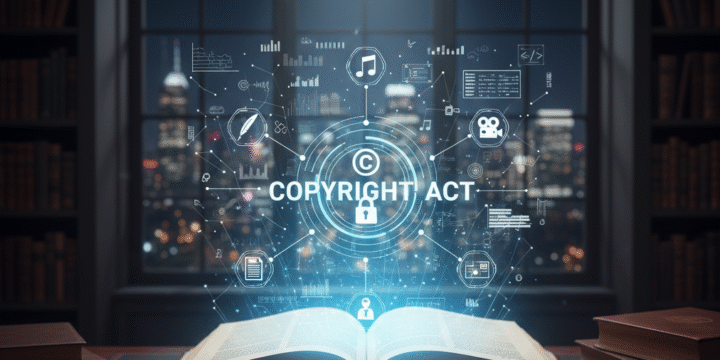
Creativity is the backbone of innovation. Whether you're a digital creator, filmmaker, designer, developer, writer, or business owner—your original work reflects your talent, effort, and intellectual investment. But in today’s fast-moving digital environment, creative work can be copied, misused, edited, or commercialized within seconds, often without your permission. This is exactly where the Copyright Act becomes your most powerful legal shield. It ensures that your creativity remains your property, giving you full control over how your content is used, reproduced, or monetized. This article provides a clear and professional understanding of copyright, why it matters, and how it protects your creative assets effectively. 🔹 What Is Copyright? A Creator’s Legal Armor Copyright is a statutory right that automatically arises the moment you create original artistic, literary, dramatic, musical, or digital…
Read More
Breaking Free: Surviving Divorce with Dignity and Legal Acumen

Breaking Free: Surviving Divorce with Dignity and Legal Acumen

Blogs
Divorce is arguably the most legally and emotionally challenging ordeal that one will ever experience. It's not merely the termination of a marriage but also the beginning of a new chapter, which requires emotional resilience, practical choices, and sound legal advice. Navigating this process with dignity and legal consciousness ensures your rights and sets you stronger, wiser, and ready for life's next level. Understanding the Nature of Divorce Divorce is not a legal procedure, really; it's a very intimate transformation. Every case comes along with its own special scenario of complication — emotional, financial, and family-related. Some splits are friendly by consent, while others are battles over property, child support, or alimony. Whatever it is, managing it with a calm and educated mindset makes it a less painful, simpler experience.…
Read More
Navigating the Legal Highs and Lows: Understanding NDPS Law in India

Navigating the Legal Highs and Lows: Understanding NDPS Law in India

Blogs
The Narcotic Drugs and Psychotropic Substances (NDPS) Act, 1985 is one of India’s most stringent laws, enacted to control and regulate the operations relating to narcotic drugs and psychotropic substances. It aims to combat drug trafficking, abuse, and illegal possession, while maintaining a balance between enforcement and rehabilitation. Under the NDPS Act, all activities involving narcotics — including production, possession, sale, purchase, transport, and consumption — are strictly regulated. The law categorizes offences based on the quantity and type of substance involved, prescribing severe punishments that range from fines to long-term imprisonment. However, it also provides scope for rehabilitation and treatment for addicts, recognizing drug dependence as a health issue alongside a legal one. Enforcement agencies like the Narcotics Control Bureau (NCB) and state police play a vital role in…
Read More
Divorce and Maintenance: Safeguarding Rights, Ensuring Security

Divorce and Maintenance: Safeguarding Rights, Ensuring Security

Blogs
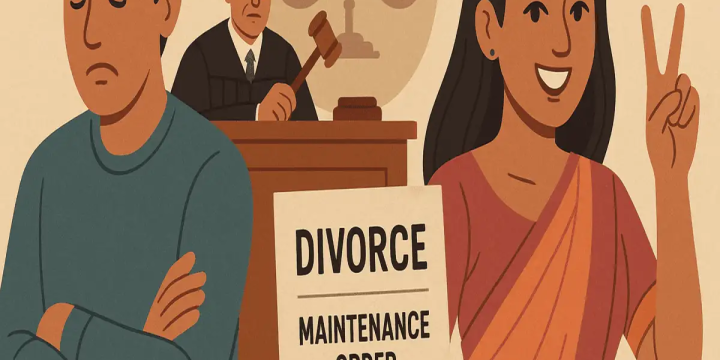
Divorce is never an easy journey—it involves not only emotional struggles but also financial adjustments for both spouses. One of the most significant aspects that ensures fairness and stability after separation is maintenance. It serves as a legal safeguard, protecting the rights of the dependent spouse and ensuring that life after divorce does not become financially insecure. What is Divorce Maintenance? Maintenance refers to the financial support ordered by the court, where one spouse provides monetary assistance to the other. It is designed to help the financially weaker spouse meet basic needs such as housing, food, clothing, healthcare, and education (in case of children). Legal Framework in India Under Indian law, provisions for maintenance are available under: Hindu Marriage Act, 1955 Code of Criminal Procedure, Section 125 Special Marriage Act,…
Read More
Trademark Law: Protecting Brands, Securing Identities

Trademark Law: Protecting Brands, Securing Identities

Blogs
In today’s competitive business world, brands are more than just names or logos—they represent reputation, trust, and identity. To safeguard these valuable assets, Trademark Law plays a crucial role by granting legal protection to businesses, entrepreneurs, and creators. It ensures that no one can unlawfully use a brand’s identity, preventing confusion in the marketplace and securing fair business practices. What is a Trademark? A trademark is a recognizable sign, symbol, logo, design, phrase, or even a combination of colors or sounds that distinguishes one business’s goods or services from another. It acts as a unique identifier that builds consumer trust and loyalty. Examples: The golden arches of McDonald’s The Nike “Swoosh” logo The tagline “Just Do It” Importance of Trademark Law Brand Protection – Prevents unauthorized use or imitation of…
Read More
Bail Demystified: Rights, Process, and Legal Insights

Bail Demystified: Rights, Process, and Legal Insights

Blogs
Bail is one of the most crucial aspects of the criminal justice system. It acts as a bridge between the right to liberty and the interest of justice, ensuring that an accused person does not remain in custody unnecessarily while their trial is still pending. What is Bail? Bail is a legal process that allows an accused to be released from custody, with or without conditions, upon providing assurance to the court that they will appear for future proceedings. It is not an acquittal but a temporary release until the trial is concluded. Rights Associated with Bail Every individual has the fundamental right to seek bail, as personal liberty is protected under Article 21 of the Indian Constitution. Depending on the gravity of the offence, courts may grant: Regular Bail…
Read More