Family & Matrimonial Law: Protecting Your Rights and Relationships

Family & Matrimonial Law: Protecting Your Rights and Relationships

Blogs
Family and matrimonial matters are among the most sensitive legal issues an individual can face. Unlike other legal disputes, these cases often involve personal relationships, emotions, children, financial security, and long-term family interests. Whether it is marriage, divorce, child custody, maintenance, domestic violence, or property disputes, having the right legal guidance is essential to protect your rights while ensuring a fair resolution. Family & Matrimonial Law in India is governed by various personal laws, including the Hindu Marriage Act, Special Marriage Act, Muslim Personal Law, Indian Divorce Act, Guardians and Wards Act, Protection of Women from Domestic Violence Act, and several other statutes depending upon the religion and circumstances of the parties involved. A family lawyer not only represents clients before Family Courts, District Courts, High Courts, and the Supreme…
Read More
Cheque Bounce in India: Legal Remedies, Penalties & Expert Legal Assistance

Cheque Bounce in India: Legal Remedies, Penalties & Expert Legal Assistance

Blogs
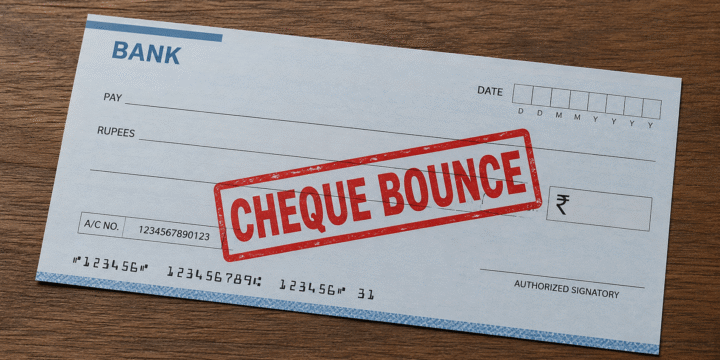
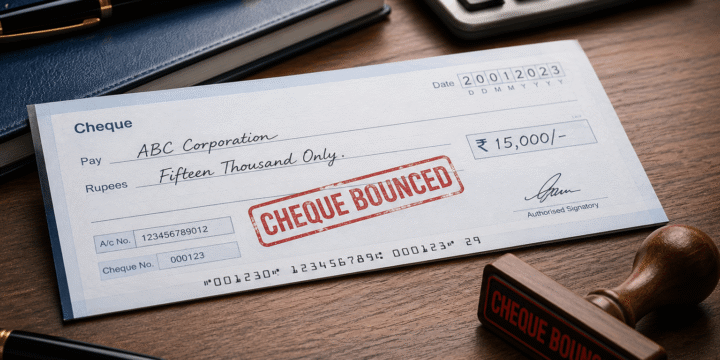
A cheque is one of the most commonly used financial instruments for business transactions, loan repayments, rent payments, and commercial dealings. It represents a promise that the issuer has sufficient funds in their bank account to honor the payment. However, when a cheque is returned unpaid by the bank due to insufficient funds or other valid reasons, it is known as a Cheque Bounce or Cheque Dishonour. In India, cheque bounce is a serious legal matter governed by Section 138 of the Negotiable Instruments Act, 1881. The law provides legal protection to the payee and ensures that individuals and businesses maintain trust in financial transactions. Whether you are an individual, business owner, supplier, lender, or company, understanding your rights in cheque bounce cases is essential. What is a Cheque Bounce?…
Read More
Cyber Crime: Protecting Yourself in the Digital Age

Cyber Crime: Protecting Yourself in the Digital Age

Blogs
Cyber Crime: In today's digital world, technology has transformed the way we communicate, work, shop, and conduct business. While the internet has made life more convenient, it has also created opportunities for cybercriminals to exploit individuals and organizations. Cyber crime refers to criminal activities carried out using computers, mobile devices, networks, or the internet. From online fraud and identity theft to hacking and financial scams, cyber crimes are increasing rapidly across the globe. Cyber criminals target individuals, businesses, financial institutions, and even government organizations. These crimes can result in financial losses, theft of sensitive information, reputational damage, and emotional distress. As cyber threats continue to evolve, understanding cyber crime and knowing your legal rights has become essential. What is Cyber Crime? Cyber crime includes any illegal activity that involves a…
Read More
Cheque Bounce Cases in India: Legal Remedies, Penalties & Recovery Process

Cheque Bounce Cases in India: Legal Remedies, Penalties & Recovery Process

Blogs
A cheque is one of the most widely used financial instruments for business transactions, loan repayments, rent payments, and commercial dealings in India. However, when a cheque is returned unpaid by the bank due to insufficient funds or other valid reasons, it is known as a cheque bounce or dishonour of cheque. Cheque bounce cases are primarily governed by Section 138 of the Negotiable Instruments Act, 1881, which provides legal remedies to the payee against the drawer of the dishonoured cheque. Cheque bounce disputes are common in both personal and commercial transactions. Timely legal action can help recover the outstanding amount while ensuring compliance with the legal process. Understanding the causes, legal provisions, penalties, and recovery procedures is essential for individuals and businesses dealing with cheque transactions. What is a…
Read More
Child Custody and Maintenance: A Complete Legal Guide for Parents in India

Child Custody and Maintenance: A Complete Legal Guide for Parents in India

Blogs
Child custody and maintenance are among the most sensitive legal issues that arise during separation, divorce, or disputes between parents. While the legal process can be emotionally challenging, the primary concern of Indian courts is always the welfare and best interests of the child. Understanding your legal rights and responsibilities regarding custody and maintenance can help parents make informed decisions while ensuring the child's emotional, educational, and financial well-being. What Is Child Custody? Child custody refers to the legal right and responsibility of a parent or guardian to care for a minor child. It includes decisions related to the child's upbringing, education, healthcare, and overall welfare. Custody matters generally arise during divorce, judicial separation, annulment, or when unmarried parents seek legal rights over their child. Indian courts do not automatically…
Read More
Divorce in India: Legal Process, Types, Rights, and Everything You Need to Know

Divorce in India: Legal Process, Types, Rights, and Everything You Need to Know

Blogs
Divorce is the legal dissolution of a marriage through a court of law. While marriage is considered a significant social and legal institution, there are situations where continuing a marital relationship becomes impossible due to irreconcilable differences, cruelty, desertion, adultery, or other legally recognized grounds. Indian law provides a structured legal framework that allows spouses to seek divorce while safeguarding their rights and ensuring a fair resolution of issues such as child custody, maintenance, and property. Divorce can be emotionally challenging and legally complex. Understanding the legal process, the available remedies, and your rights can help you make informed decisions and navigate the proceedings with confidence. Whether the divorce is mutual or contested, seeking timely legal advice is essential to protect your interests. What Is Divorce? Divorce is a judicial…
Read More
Anticipatory Bail: A Complete Guide to Pre-Arrest Legal Protection in India

Anticipatory Bail: A Complete Guide to Pre-Arrest Legal Protection in India

Blogs
Anticipatory bail is one of the most important legal remedies available under Indian criminal law. It protects an individual from being arrested when they have a reasonable apprehension that they may be accused of committing a non-bailable offence. Unlike regular bail, which is granted after an arrest, anticipatory bail is granted before an arrest takes place. This legal safeguard ensures that innocent individuals are not unnecessarily detained while also protecting their constitutional rights. The concept of anticipatory bail is governed by Section 482 of the Bharatiya Nagarik Suraksha Sanhita (BNSS), 2023 (formerly Section 438 of the Code of Criminal Procedure, CrPC). The provision empowers the High Court and the Court of Session to grant bail in anticipation of arrest under appropriate circumstances. What Is Anticipatory Bail? Anticipatory bail is a…
Read More
Domestic Violence Mediation vs Litigation: Which Legal Option Is Right?

Domestic Violence Mediation vs Litigation: Which Legal Option Is Right?

Blogs
Domestic violence cases involve sensitive personal, emotional, and legal issues that require careful consideration. Victims of domestic violence often face a difficult decision when seeking justice and protection: whether to resolve the matter through mediation or pursue litigation in court. Both options have distinct advantages, limitations, and legal implications. Understanding the differences between domestic violence mediation and litigation can help individuals make informed decisions based on their circumstances, safety concerns, and long-term objectives. Understanding Domestic Violence Cases Domestic violence refers to physical, emotional, psychological, verbal, sexual, or economic abuse occurring within a domestic relationship. In India, victims are protected under the Protection of Women from Domestic Violence Act, 2005 (PWDVA), which provides remedies such as protection orders, residence orders, monetary relief, custody orders, and compensation. When domestic violence allegations arise,…
Read More
How Long Does Anticipatory Bail Last? Legal Duration and Court Conditions

How Long Does Anticipatory Bail Last? Legal Duration and Court Conditions

Blogs
Anticipatory bail is a crucial legal remedy available to individuals who apprehend arrest in connection with a non-bailable offence. It serves as a protective measure, ensuring that a person is not unnecessarily detained while the investigation or legal proceedings continue. In India, anticipatory bail is governed by Section 482 of the Bharatiya Nagarik Suraksha Sanhita (BNSS), 2023, which replaced the corresponding provision under the Code of Criminal Procedure (CrPC). One of the most frequently asked questions by individuals seeking legal protection is: How long does anticipatory bail last? Understanding the duration of anticipatory bail and the conditions imposed by courts is essential for anyone involved in criminal proceedings. Understanding Anticipatory Bail Anticipatory bail is a pre-arrest legal protection granted by a Sessions Court or High Court to a person who…
Read More
Child Custody and Maintenance in India: Legal Rights, Responsibilities & Family Law Solutions

Child Custody and Maintenance in India: Legal Rights, Responsibilities & Family Law Solutions

Blogs
Child custody and maintenance are among the most sensitive and emotionally challenging aspects of family law disputes in India. When parents separate or divorce, the welfare of the child becomes the primary concern of the court. Indian family laws are designed to protect the interests, education, emotional well-being, and financial security of children while ensuring that both parents fulfill their legal responsibilities. Child custody determines who will take care of the child after separation or divorce, while maintenance refers to the financial support provided for the child’s upbringing, education, healthcare, and daily needs. Courts in India prioritize the best interests of the child above all other considerations when deciding custody and maintenance matters. Understanding the legal provisions related to child custody and maintenance can help parents make informed decisions and…
Read More