Dowry Death in India: Legal Provisions, Causes, Punishment & How to Seek Justice

Dowry Death in India: Legal Provisions, Causes, Punishment & How to Seek Justice

Blogs
Dowry death is one of the most serious and tragic consequences of the dowry system in India. Despite strict laws and increasing awareness, cases of women losing their lives due to dowry-related harassment continue to surface. This issue is not only a legal concern but also a deep-rooted social problem that reflects gender inequality and harmful societal practices. Understanding the legal framework, causes, and remedies is crucial for preventing such incidents and ensuring justice for victims. What is Dowry Death? Dowry death refers to the death of a married woman caused by burns, bodily injury, or under unnatural circumstances within a specific period after marriage, where it is shown that she was subjected to cruelty or harassment related to dowry demands. Under Indian law, if a woman dies within seven…
Read More
Domestic Violence Matters – Complete Legal Guide in India

Domestic Violence Matters – Complete Legal Guide in India

Blogs
  Domestic violence is a serious social and legal issue that affects individuals across all sections of society. It refers to abuse or violence committed by one person against another within a domestic relationship, such as between spouses, partners, family members, or relatives. In India, domestic violence is recognized not only as physical abuse but also as emotional, economic, verbal, and sexual abuse. To address this issue, the government enacted the Protection of Women from Domestic Violence Act, 2005, which provides comprehensive protection and legal remedies to women facing abuse within their homes. What is Domestic Violence? Domestic violence includes any act that harms or endangers the health, safety, life, limb, or well-being of a person. It can take various forms: 1. Physical Abuse Hitting, slapping, punching, kicking, or causing…
Read More
Cheque Bounce: Legal Implications, Process & Remedies in India

Cheque Bounce: Legal Implications, Process & Remedies in India

Blogs
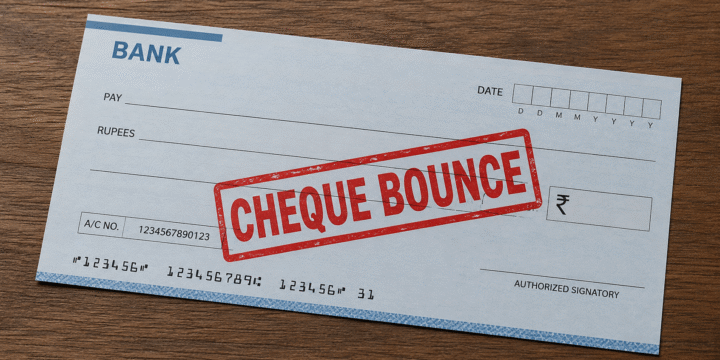
Cheque bounce, also known as dishonour of cheque, is one of the most common financial and legal issues faced by individuals and businesses in India. It occurs when a cheque presented to the bank for payment is returned unpaid due to various reasons. This not only affects financial transactions but can also lead to serious legal consequences under Indian law. What is Cheque Bounce? A cheque bounce happens when a bank refuses to honour a cheque. The most common reason is insufficient funds in the drawer’s account. However, other reasons may include signature mismatch, overwriting, account closure, or stale cheque. In India, cheque bounce cases are primarily governed by the Negotiable Instruments Act, 1881, specifically Section 138, which deals with the offence of dishonour of cheque. Common Reasons for Cheque…
Read More
Anticipatory Bail – Complete Guide (India)

Anticipatory Bail – Complete Guide (India)

Blogs
  Anticipatory Bail is a crucial legal provision in India that protects an individual from arrest in situations where they anticipate being accused of a non-bailable offense. It is a preventive legal remedy designed to safeguard personal liberty and prevent misuse of the law by false or motivated allegations. This provision is governed under Section 438 of the Code of Criminal Procedure (CrPC). What is Anticipatory Bail? Anticipatory bail is a direction issued by a court that a person shall be released on bail in the event of arrest. Unlike regular bail, which is applied for after arrest, anticipatory bail is sought before arrest. It acts as a protective shield against unnecessary detention and harassment. Purpose of Anticipatory Bail The primary purpose is to protect individuals from arbitrary or false…
Read More
Understanding Cyber Crime: Types, Examples, and How to Stay Protected

Understanding Cyber Crime: Types, Examples, and How to Stay Protected

Blogs
In today’s digital world, the internet has become an essential part of our daily lives. From online banking to social media and e-commerce, everything is just a click away. However, with this convenience comes a growing threat—cyber crime. Cyber crime refers to illegal activities carried out using computers, digital devices, or the internet. As technology evolves, cyber criminals are also becoming more sophisticated, making it important for individuals and businesses to stay informed and protected. What is Cyber Crime? Cyber crime is any criminal activity that involves a computer, network, or digital system. These crimes are usually committed to steal sensitive information, gain financial benefits, or damage reputations. Cyber criminals use various techniques such as hacking, phishing, malware attacks, and identity theft to exploit victims. In India, cyber crimes are…
Read More
Rape: Understanding the Crime, Legal Framework, and Social Awareness in India

Rape: Understanding the Crime, Legal Framework, and Social Awareness in India

Blogs
  Rape is one of the most serious and heinous crimes against an individual’s dignity, bodily autonomy, and human rights. It is not only a physical violation but also leaves deep psychological, emotional, and social scars on survivors. In India, rape is treated as a grave criminal offense under the law, and over the years, stricter provisions have been introduced to ensure justice and deterrence. However, despite legal reforms, the issue remains a significant concern, requiring awareness, prevention, and societal change. What is Rape? Rape is defined as non-consensual sexual intercourse or penetration carried out against a person’s will or without their consent. Consent is the most crucial factor in determining whether an act constitutes rape. Consent must be free, voluntary, informed, and explicit. Any sexual act performed under coercion,…
Read More
Divorce: Legal Process, Types, Rights & Practical Guidance in India

Divorce: Legal Process, Types, Rights & Practical Guidance in India

Blogs
  Divorce is the legal dissolution of a marriage between two individuals. It is a significant life decision that affects not only the couple but also their families, children, and social relationships. In India, divorce laws are governed by different personal laws depending on religion, such as the Hindu Marriage Act, Muslim Personal Law, Christian Divorce Act, and Special Marriage Act. Understanding the legal process, rights, and implications of divorce is essential for anyone considering this step. What is Divorce? Divorce is a formal legal process through which a married couple ends their marital relationship. After divorce, both individuals are free to remarry and live independently. It involves various aspects such as division of property, child custody, maintenance (alimony), and legal responsibilities. Types of Divorce in India Mutual Consent Divorce…
Read More
Bail – Complete Guide to Meaning, Types, Process & Legal Rights in India

Bail – Complete Guide to Meaning, Types, Process & Legal Rights in India

Blogs
Bail is a fundamental concept in criminal law that ensures a balance between an individual’s right to liberty and the need for justice. Under Indian law, bail allows an accused person to be released from custody while ensuring their presence during court proceedings. It plays a crucial role in preventing unnecessary detention and protecting personal freedom guaranteed under the Constitution. What is Bail? Bail is the temporary release of a person accused of a crime, granted by a court, usually on the condition that they will appear for future hearings. The accused may be required to deposit money, provide sureties, or comply with certain conditions imposed by the court. In India, bail is governed by the Code of Criminal Procedure (CrPC), which defines the rules and procedures related to granting…
Read More
Cheque Bounce in India: Legal Action, Penalties & Complete Process Guide

Cheque Bounce in India: Legal Action, Penalties & Complete Process Guide

Blogs
  Cheque bounce, also known as dishonour of cheque, is a common financial and legal issue in India that can lead to serious consequences if not handled properly. Governed under Section 138 of the Negotiable Instruments Act, 1881, cheque bounce cases are considered criminal offences and can result in penalties, fines, or even imprisonment. Understanding the legal process, rights, and remedies is essential for both individuals and businesses. What is Cheque Bounce? A cheque bounce occurs when a bank refuses to process a cheque due to insufficient funds or other valid reasons. When the payee deposits the cheque and it is returned unpaid by the bank, it is called cheque dishonour. Common reasons for cheque bounce include: Insufficient funds in the account Signature mismatch Overwriting or incorrect details Expired cheque…
Read More
Rape: Understanding the Crime, Legal Framework, and Support Systems in India

Rape: Understanding the Crime, Legal Framework, and Support Systems in India

Blogs
  Rape is one of the most serious and traumatic crimes, involving a violation of a person’s body, dignity, and fundamental human rights. It is not just a physical assault but also a deeply emotional and psychological crime that can have lifelong consequences for survivors. In India, rape is treated as a grave criminal offense, and the legal system provides strict punishments along with various protections for victims. Understanding the concept, laws, rights, and available support is essential for creating awareness and ensuring justice. What is Rape? Rape is defined as non-consensual sexual intercourse or penetration carried out against a person’s will. Consent plays a central role in determining whether an act constitutes rape. Consent must be clear, voluntary, and informed. If consent is obtained through fear, coercion, intoxication, or…
Read More