Cheque Bounce Due to Insufficient Funds: Legal Consequences Explained

Cheque Bounce Due to Insufficient Funds: Legal Consequences Explained

Blogs
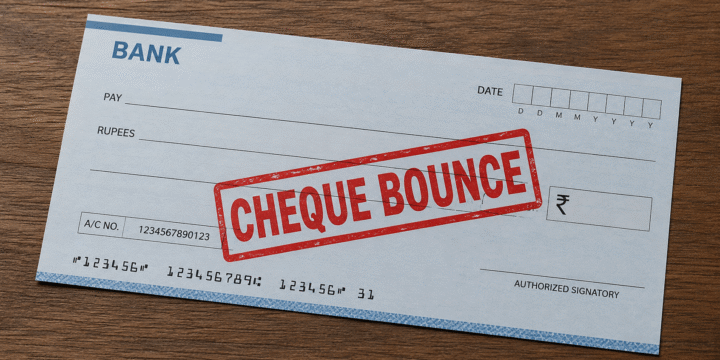
A cheque bounce due to insufficient funds is one of the most common financial disputes faced by individuals, businesses, traders, and companies in India. When a cheque issued by a person or organization is dishonoured by the bank because the account does not contain adequate balance, it can lead to serious legal and financial consequences under Indian law. The law governing cheque bounce cases in India is primarily covered under Section 138 of the Negotiable Instruments Act, 1881. This provision was introduced to ensure financial discipline and to protect the credibility of cheque-based transactions. A dishonoured cheque not only affects business relationships but may also result in criminal proceedings against the issuer of the cheque. What is a Cheque Bounce? A cheque is considered bounced or dishonoured when the bank…
Read More
Arbitration & Conciliation: Effective Alternative Dispute Resolution in India

Arbitration & Conciliation: Effective Alternative Dispute Resolution in India

Blogs
Arbitration & Conciliation are two important methods of Alternative Dispute Resolution (ADR) that help individuals, businesses, corporations, and organizations settle disputes outside traditional court litigation. In India, these mechanisms are governed primarily by the Arbitration and Conciliation Act, 1996, which was enacted to provide a faster, efficient, and cost-effective dispute resolution system. With the rise of commercial transactions, international trade, startup culture, infrastructure projects, and corporate agreements, arbitration and conciliation have become highly preferred legal processes for resolving disputes confidentially and professionally. Businesses today increasingly include arbitration clauses in contracts to avoid lengthy court battles and maintain commercial relationships. What is Arbitration? Arbitration is a legal process in which disputes are referred to an independent third party known as an Arbitrator. The arbitrator hears both sides, examines evidence, and delivers…
Read More
Cheque Bounce in India: Legal Action, Penalties & Complete Process Guide

Cheque Bounce in India: Legal Action, Penalties & Complete Process Guide

Blogs
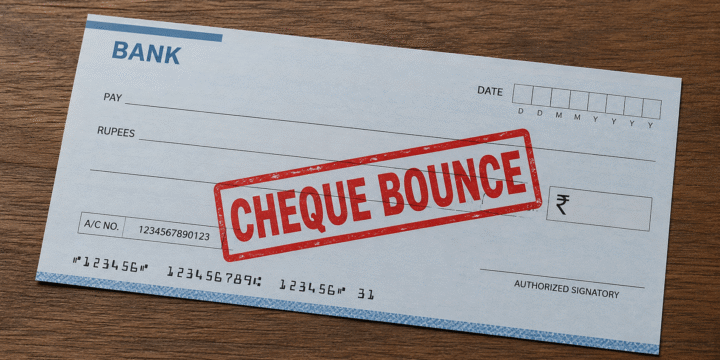
  Cheque bounce, also known as dishonour of cheque, is a common financial and legal issue in India that can lead to serious consequences if not handled properly. Governed under Section 138 of the Negotiable Instruments Act, 1881, cheque bounce cases are considered criminal offences and can result in penalties, fines, or even imprisonment. Understanding the legal process, rights, and remedies is essential for both individuals and businesses. What is Cheque Bounce? A cheque bounce occurs when a bank refuses to process a cheque due to insufficient funds or other valid reasons. When the payee deposits the cheque and it is returned unpaid by the bank, it is called cheque dishonour. Common reasons for cheque bounce include: Insufficient funds in the account Signature mismatch Overwriting or incorrect details Expired cheque…
Read More
Smart Settlement: How Arbitration & Conciliation Protect Your Rights

Smart Settlement: How Arbitration & Conciliation Protect Your Rights

Blogs
In today’s fast-moving world, long court battles can drain time, money, and peace of mind. That’s why more individuals, businesses, and even corporates are turning toward Arbitration and Conciliation—two powerful tools that offer quicker, fairer, and more efficient dispute resolution. These methods help you protect your rights without the stress, delays, and public exposure often associated with traditional litigation. 🔹 What Is Arbitration? Arbitration is a process where a neutral third party (Arbitrator) hears both sides and gives a binding decision. It functions like a private court—fast, confidential, and flexible. Key Features of Arbitration: Fast resolution compared to regular courts Private and confidential proceedings Specialized arbitrators for technical or commercial matters Legally binding and enforceable decisions Cost-effective and time-saving Arbitration empowers parties to resolve disputes efficiently while protecting business interests…
Read More
NCLT Insights: Insolvency, Litigation & Business Protection

NCLT Insights: Insolvency, Litigation & Business Protection

Blogs
The National Company Law Tribunal (NCLT) has become the central authority for resolving company-related disputes in India. Whether it is insolvency, business distress, shareholder conflict, or corporate restructuring, NCLT plays a crucial role in safeguarding businesses and ensuring transparent legal processes. For companies, professionals, and stakeholders, understanding NCLT procedures has become essential. 1. The Role of NCLT in Corporate India NCLT is a quasi-judicial body that handles matters related to: Insolvency & Bankruptcy (IBC cases) Company law disputes Oppression & mismanagement Mergers, amalgamations & restructuring Shareholder protection Corporate governance issues Its purpose is to offer fast, specialized, and predictable justice in business matters. 2. Insolvency Matters: When a Business Faces Financial Stress Under the Insolvency and Bankruptcy Code (IBC), NCLT acts as the adjudicating authority. Insolvency cases include: a. Corporate…
Read More
Trademark Law: Protecting Brands, Securing Identities

Trademark Law: Protecting Brands, Securing Identities

Blogs
In today’s competitive business world, brands are more than just names or logos—they represent reputation, trust, and identity. To safeguard these valuable assets, Trademark Law plays a crucial role by granting legal protection to businesses, entrepreneurs, and creators. It ensures that no one can unlawfully use a brand’s identity, preventing confusion in the marketplace and securing fair business practices. What is a Trademark? A trademark is a recognizable sign, symbol, logo, design, phrase, or even a combination of colors or sounds that distinguishes one business’s goods or services from another. It acts as a unique identifier that builds consumer trust and loyalty. Examples: The golden arches of McDonald’s The Nike “Swoosh” logo The tagline “Just Do It” Importance of Trademark Law Brand Protection – Prevents unauthorized use or imitation of…
Read More
Trademark Law – Protecting Brands, Safeguarding Identity & Strengthening Market Presence

Trademark Law – Protecting Brands, Safeguarding Identity & Strengthening Market Presence

Blogs
In today’s competitive marketplace, a brand is more than just a name or a logo—it is the very identity of a business. Protecting that identity is crucial to ensuring long-term success, customer trust, and market recognition. This is where Trademark Law plays a vital role, offering businesses the legal framework to secure their brand elements and defend them against misuse. Trademark Law governs the registration, protection, and enforcement of trademarks such as brand names, logos, slogans, symbols, packaging styles, and even unique product designs. By registering a trademark, businesses gain exclusive rights to use that mark, preventing competitors from exploiting or imitating their identity. The benefits of trademark protection go beyond legal ownership. A registered trademark: Builds trust with customers by assuring authenticity and quality. Prevents confusion in the marketplace…
Read More